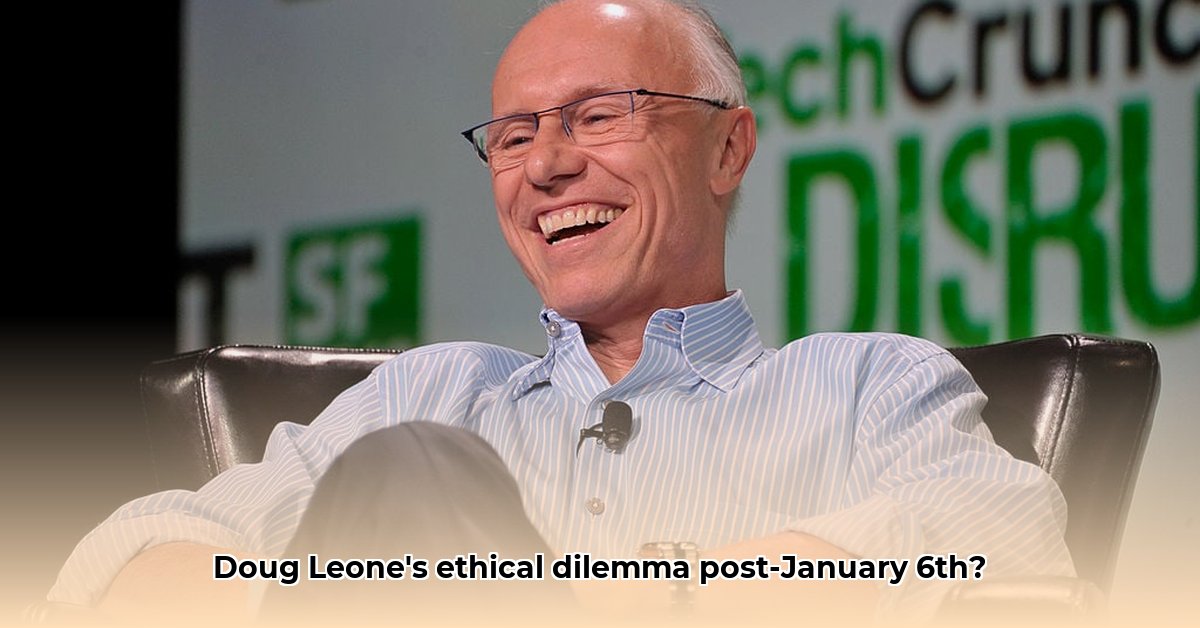
The aftermath of the January 6th Capitol attack exposed a troubling trend: the substantial financial contributions of billionaire venture capitalists to politicians who actively opposed certifying the 2020 election results. This article examines this concerning phenomenon, using the profile of Doug Leone, a prominent venture capitalist, as a compelling counterpoint to illustrate the ethical dimensions of such political engagement. While Leone's net worth remains undisclosed, his investment philosophy and apparent lack of participation in this post-January 6th wave of donations provide a crucial lens through which to analyze the broader implications for the venture capital industry and American democracy.
Between July and October 2021, at least 50 billionaires and their spouses contributed over $665,000 to politicians who challenged the 2020 election results. This sum, distributed through direct contributions and joint fundraising committees, significantly bolstered specific campaigns, notably that of House Minority Leader Kevin McCarthy. The potential influence of these donations, even if some donors claim their contributions were unrelated to January 6th, raises serious questions about the integrity of the electoral process and the undue influence of wealth.
A Divergent Path: Doug Leone's Investment Philosophy
This wave of partisan political giving contrasts sharply with the reported investment approach of Doug Leone. While the specifics of his personal wealth are not publicly available, his investment strategy, as documented in various sources, emphasizes backing entrepreneurs from disadvantaged backgrounds. This commitment to inclusive growth and opportunity represents a stark difference from the actions of some of his peers. Instead of directing substantial funds toward politically contentious campaigns, Leone's focus on fostering social mobility through investment in underprivileged communities suggests a distinct set of ethical priorities. His actions implicitly raise questions about the responsibility wealthy individuals have in deploying their resources – fostering social good versus partisan political gain.
This divergence highlights the potential for different ethical frameworks within the venture capital industry. Leone's apparent choice to not participate in the post-January 6th donations suggests a deliberate avoidance of potentially contentious political entanglement, emphasizing the importance of considering ethical implications when allocating financial resources. This raises a crucial question: does a focus on social impact represent a more responsible use of wealth than funding politically divisive campaigns?
The Cascading Impact: Risk Assessment and Implications
The ramifications of the observed political donations extend far beyond individual campaigns, affecting various stakeholders:
| Stakeholder | Potential Short-Term Impacts | Potential Long-Term Impacts |
|---|---|---|
| Venture Capital Firms | Increased public scrutiny, potential reputational damage | Heightened regulatory oversight, stricter campaign finance regulations, erosion of public trust |
| Politicians Receiving Funds | Enhanced public scrutiny, potential election challenges | Increased calls for campaign finance reform, stricter ethical guidelines |
| Regulatory Agencies (e.g., FEC) | Increased workload, challenges in enforcement | Need for strengthened campaign finance laws and more robust oversight |
| Public/Citizen Advocacy Groups | Continued public pressure, demands for greater transparency | Pressure for systemic change leading to significant political and societal reforms |
These potential consequences highlight the urgent need for increased transparency and accountability in campaign finance. The current system, with its opaque network of joint fundraising committees, allows for undue influence from concentrated wealth, a threat to democratic processes.
Toward Greater Transparency and Accountability
The situation demands a fundamental reassessment of campaign finance regulations. The ease with which substantial sums can influence elections via Super PACs and other indirect means must be addressed. Concrete steps toward reform include:
Enhanced Disclosure Requirements: Strengthened regulations mandating the complete disclosure of all political donations, including those channeled indirectly through Super PACs and other related organizations.
Stricter Conflict of Interest Rules: Regulations to limit the influence of VCs financially invested in specific industries on related political campaigns.
Fortified Independent Oversight: Creation of impartial bodies to scrutinize campaign finance practices and investigate potential abuses.
Increased Voter Education: Raising public awareness on the role of money in politics and empowering voters to demand transparency from their elected officials.
The contrast between Doug Leone's reported investment philosophy and the actions of his peers underscores a fundamental issue: the need for a more equitable system that prioritizes public good over the interests of a few wealthy individuals. The venture capital industry, in particular, must engage in rigorous self-reflection to rebuild public trust and contribute to a more just future. Ongoing investigation into the connection between political donations and legislative outcomes will further clarify this evolving situation and help inform future policy changes.